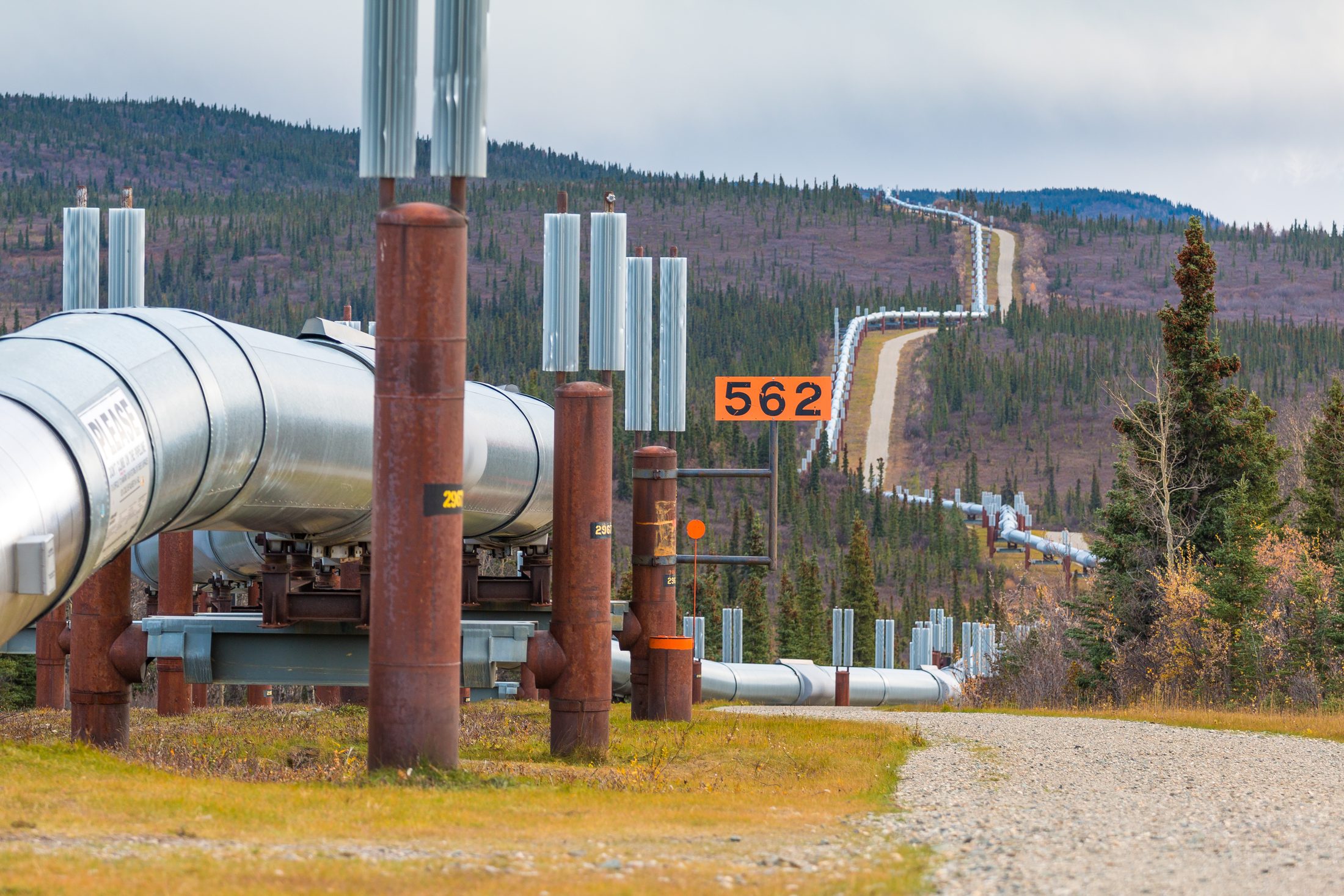
Pipelines, terminals and LNG
Midstream and LNG
Pipelines, storage, marine terminals and LNG facilities carry commitments that cannot slip. Planning quality, power cost, reliability and throughput trade against each other every single day.
What we see repeatedly
The pressures this sector carries
-
Scheduling that depends on a handful of specialists
Manual decision making limits scenario evaluation and makes schedule quality difficult to measure consistently.
-
Power cost and throughput pulling in opposite directions
Without modeling, the trade between cost, quality and delivery predictability is made on judgment alone.
-
Capital programs under schedule and cost pressure
Expansion work stretches project controls, procurement and contractor management past what they were built for.
-
Fragmented systems and inconsistent data
Performance cannot be compared across facilities when each one defines and records it differently.
What answers them
Capabilities applied in Midstream
- Advanced planning and scheduling capability
- Optimization and simulation modeling
- Automated scenario evaluation and decision support
- Capital project controls and enterprise PMO
- Procurement and contractor performance
- Process redesign and business rule definition
- Data validation and governance
- Change management and workforce adoption
Operating reliability, maintenance backlog, contractor productivity, materials availability and project execution controls.
Typical deliverables
- Performance opportunity case
- Maintenance and reliability roadmap
- Materials readiness plan
- Contractor scorecard
- 90-day mobilization plan
In focus
LNG and midstream energy transformation
The LNG industry is seeing sustained investment as global demand drives expansion of liquefaction facilities, export terminals, storage infrastructure, pipelines and supporting logistics networks. Success depends not only on capital investment but on the ability to execute complex transformation programs, improve operational performance, and align people, processes, technology and governance across the enterprise.
ISI Consulting Group works with LNG developers, terminal operators, pipeline companies and energy infrastructure organizations to improve performance, accelerate project execution and deliver sustainable business results. We do not simply develop recommendations. We work alongside client teams to establish governance, build capability, implement the solution and deliver the outcome.
Typical problems this work addresses: delays in capital project delivery, cost overruns on expansion programs, limited visibility into project and operational performance, inefficient procurement and contractor management, fragmented systems and inconsistent data, workforce readiness and change resistance, scaling operations to support export growth, and integrating multiple facilities, regions and stakeholder groups.
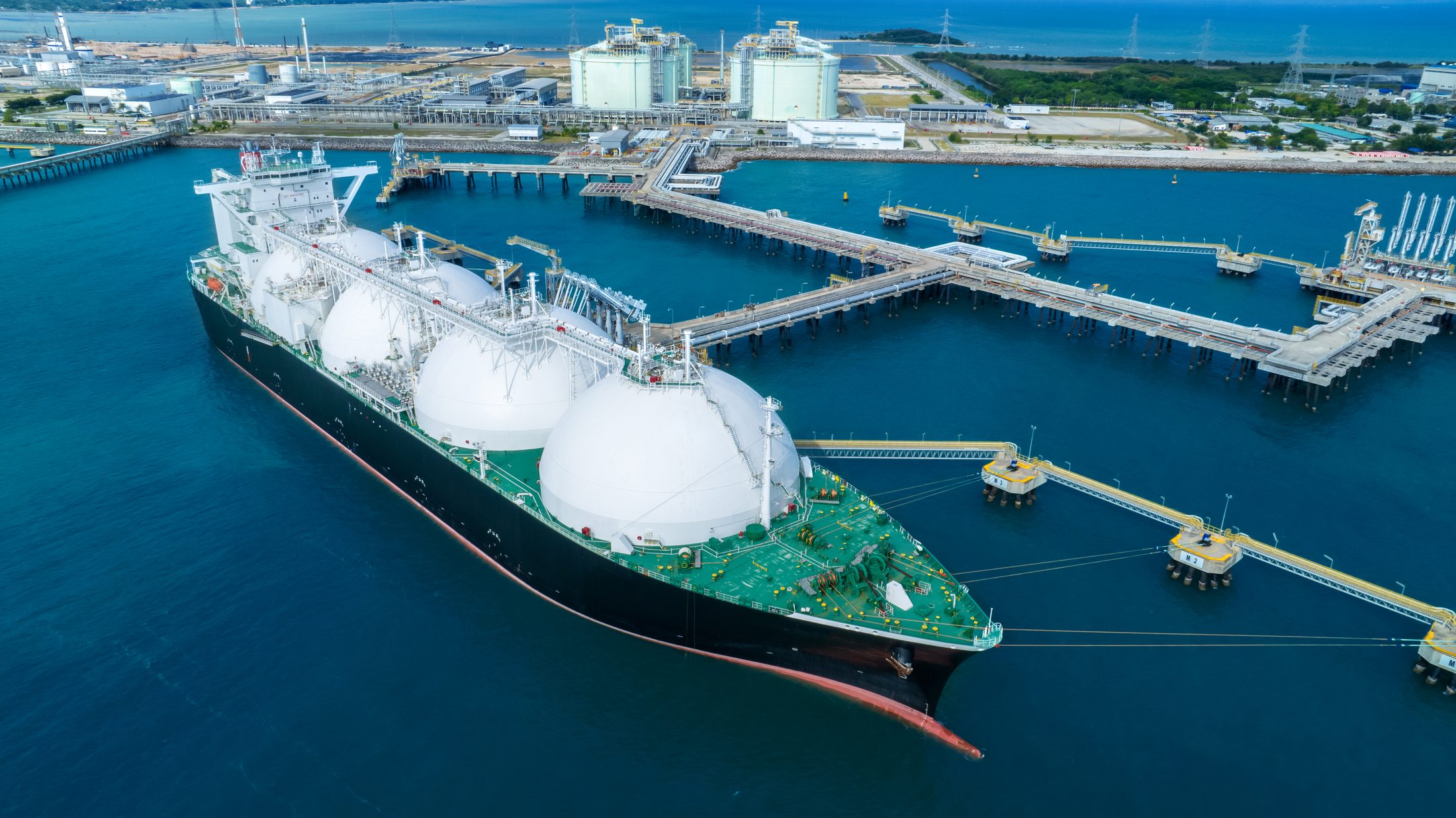
Measured outcomes
What has been delivered in this sector
- 33% to 50% improvement in schedule quality
- 9% to 18% reduction in projected power costs
- 11% to 25% reduction in operational shutdowns
Client identities are withheld under confidentiality agreements. Results vary by engagement.
Engagements
Work delivered in Midstream
Rapid Assessment
Two to three days on your site or function
A Rapid Assessment gives leadership a fact-based view of the performance gap, the likely value and the right next step, in the language your operation already uses.